Access EvoGuest
Extending the platform design system into the guest-facing estate, where brand flexibility and conversion pressure meet.
- Client
- Access Group
- Role
- Hospitality UX Lead
- Timeframe
- 2025–2026
- Sector
- Hospitality technology
- to theme a new brand end to end
- 5 days
- products sharing the system
- 20+
- built to, across brand themes
- WCAG 2.1 AA
Evo solved coherence for the operator-facing estate. EvoGuest took the same system to the other side of the counter, where the rules invert: every screen belongs to the operator's brand first and the platform second, and every interaction carries conversion pressure. An operator will tolerate a clunky back office. A guest just leaves.
Two systems wearing one skin
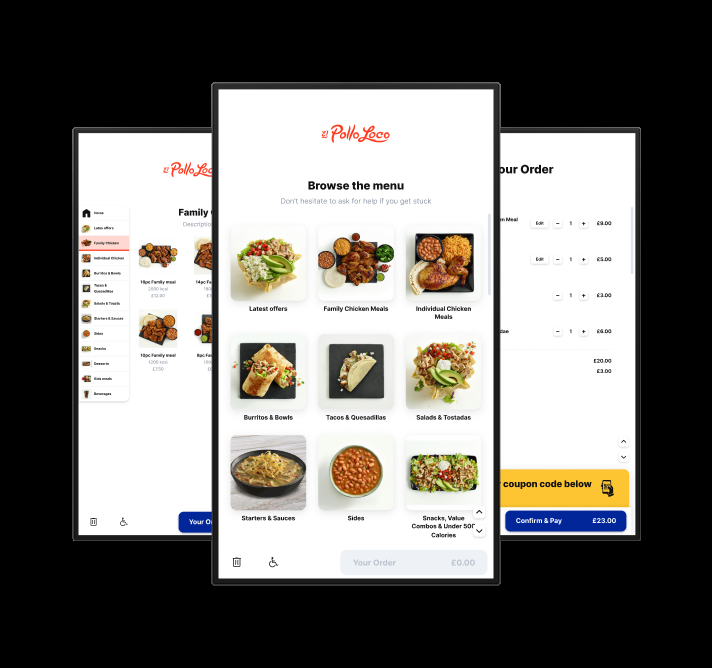
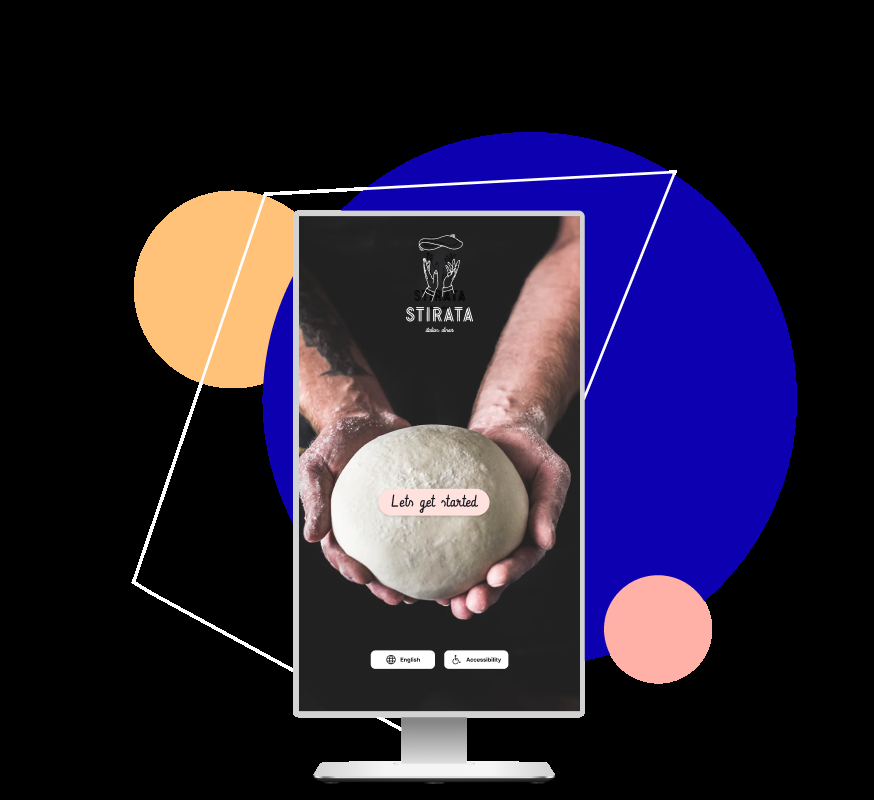
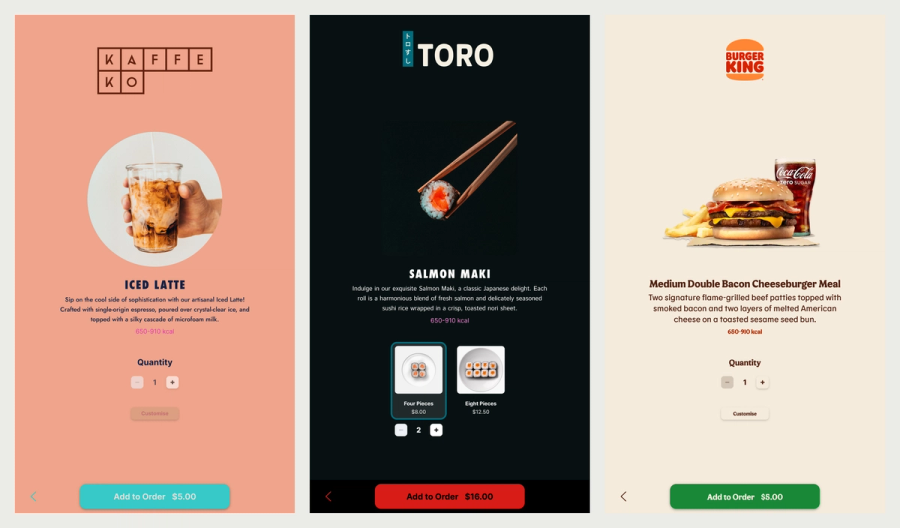
The design problem was holding two systems in one. Underneath, a stable interaction core that guarantees journeys work, baskets behave and accessibility holds. On top, a theming layer flexible enough that a global brand and an independent café both look unmistakably like themselves while running identical code.
The kiosk and online ordering work had already produced the patterns. EvoGuest's job was turning them into a governed, reusable system: tokens for everything a brand may touch, hard guarantees for everything it mustn't. Drawing that line, then defending it case by case, was most of the work.
Conversion pressure shaped the core too. Guest journeys had to assume distraction, weak signal and zero patience, so defaults mattered more than options, and every guarantee in the core existed because some real basket had died without it.
The hard cases
A guest-side system earns its keep at the edges, and the edges arrived quickly. The cases that shaped it:
- A brand palette that fails contrast, which the system resolves by adjusting tone within the brand's range rather than letting conformance break
- Dense menus with deep modifier trees that still have to feel light on a phone
- Strong typographic identities that must never break layouts, truncation rules or touch targets
- Operators wanting to move checkout furniture that exists for a legal or accessibility reason, and a system that needs to say no politely
A brand can change everything about how it looks and nothing about whether it works.
Team and credits
Guest-side work touched nearly every team in the portfolio, and it only held together because they did.
- The design team, who built the theming layer and stress-tested it against real brand guidelines
- Guest-product engineering teams, who implemented the core and kept its guarantees enforceable in code
- Product management, who held the line on what operators could and couldn't configure
- The operators whose brands became the test suite, including the awkward ones that improved it most
What it proved
EvoGuest settled an argument that had run for years: flexibility and conformance aren't a trade. Built properly, the theming layer made brands happier and the guarantees stronger, because neither depended on per-project goodwill any more.
It also proved the portfolio could ship guest experiences at platform speed. A new brand on the system became a configuration exercise measured in days, with WCAG 2.1 AA inherited rather than re-fought every time, and that speed changed what the business could promise with a straight face.