Pay at Table and Open Check
The end of a meal is hospitality's worst moment. Pay at Table didn't invent a new one. It took the rough edges off the old one.
- Client
- QikServe
- Timeframe
- 2020
Tradigital
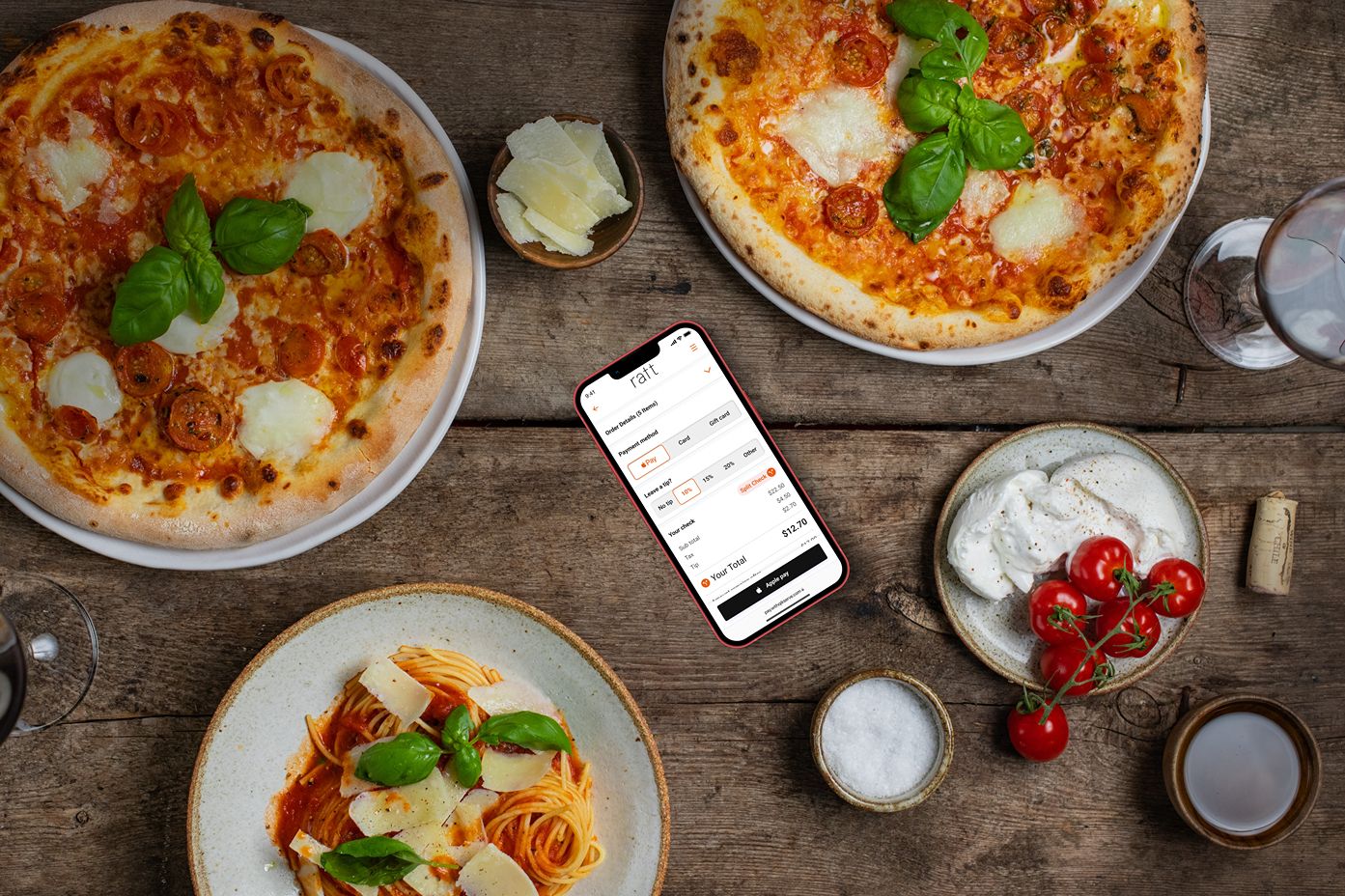
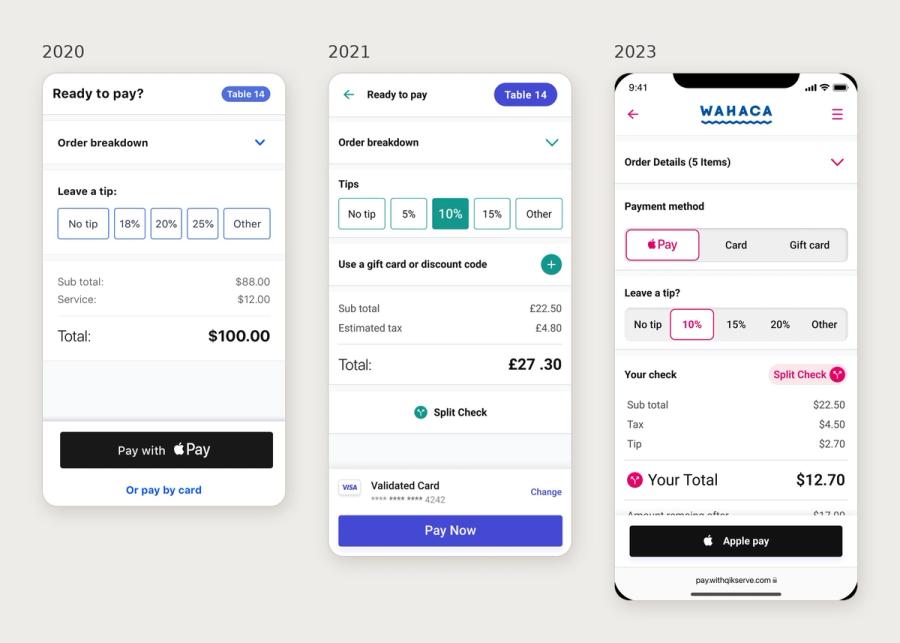
Pay at Table wasn't creating something new. It was reflecting a human process in a digital tool, and taking the rough edges off it.
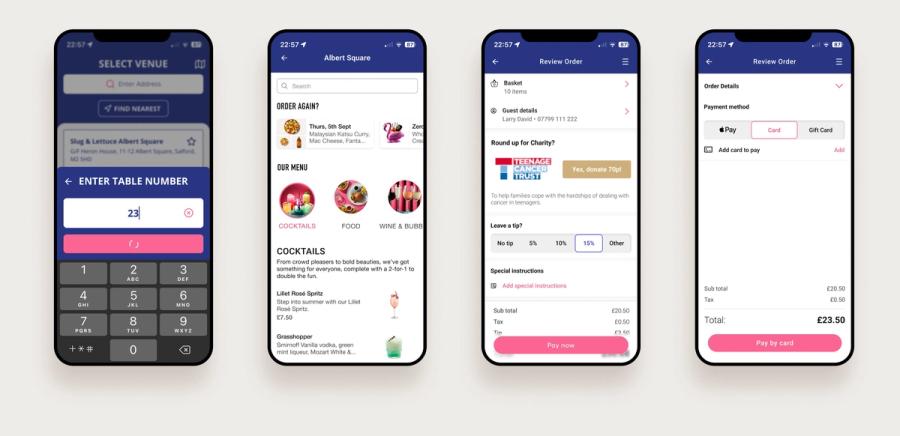
Craning for the bill is so annoying, and it damages how people feel about the whole meal, which reaches all the way to whether they come back. Pay at Table made that moment faster, smoother and more accessible. You pay when you're ready. The bill is done and can't be changed. Card, cash, loyalty card, whatever you need to do: pay, and hit the road.
The fear was walkouts
Operators feared walkouts. In reality, it reduced them. People could pay when they were ready, so they didn't get frustrated and they didn't forget.
The surveys say the same. In a 2016 QikServe survey, 12% of UK restaurant-goers admitted leaving without paying, and half of them said it was because they were kept waiting too long or couldn't find anyone to pay. A 2026 survey for takepayments put it at 8%, and the most common reason by far was simply forgetting.
The ordering journey reinforced it. If a guest ordered digitally, the UI told them payment came at the end. If staff took the order, staff pointed them to Pay at Table. All of that structure was there to show the guest how to pay and how to get ready to leave.
Technology doesn't change behaviour and instinct and character in people. Someone who wants to dine and dash will find a way, whether that's when a member of staff's back is turned or anything else. Most people don't behave like that.
The window for fries
There's only a certain window of time when an extra portion of fries is even feasible. Getting back round to offer drinks, catching guests before they just want to pay and leave, dessert, another garlic bread: these are some of the most profitable moments in service, and teams miss them all the time. Having to find somebody stops the momentum.
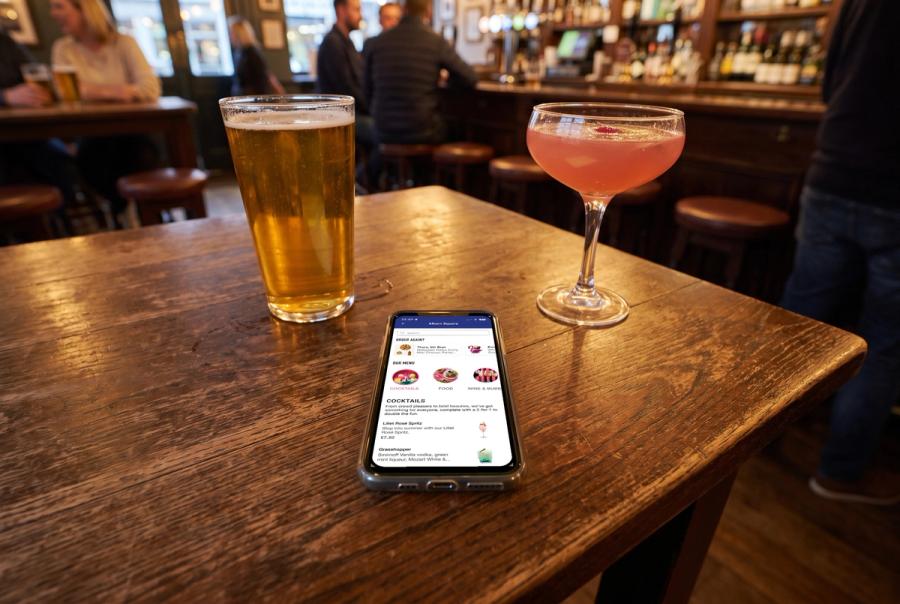
Open Check let guests order in the moment that suits them. A friend joins late and orders drinks and food without waiting for a server. Some operators put only part of the menu on it, so guests handle drinks, more water, sides and desserts while the mains and kids' meals stay with the team.
What it fixed that nobody knew was broken
Accessibility. Menus and ordering can be incredibly inaccessible: text you can't scale, images, reading at your own pace, and light. We all see people trying to light up a menu with their phone torch. Waiting staff tend to fix that by hand, and they do, but it's not great. On your own phone, you can read the menu the way you need to.
Don’t take my word for it
Wahaca is one of Pay at Table’s biggest customers. Eat there and settle up from your phone.