Swurf
Design strategy for a hospitality hot-desking product: a UX audit, booth concepts, and the commercial direction, in its early phase.
- Client
- Swurf
- Timeframe
- 2026
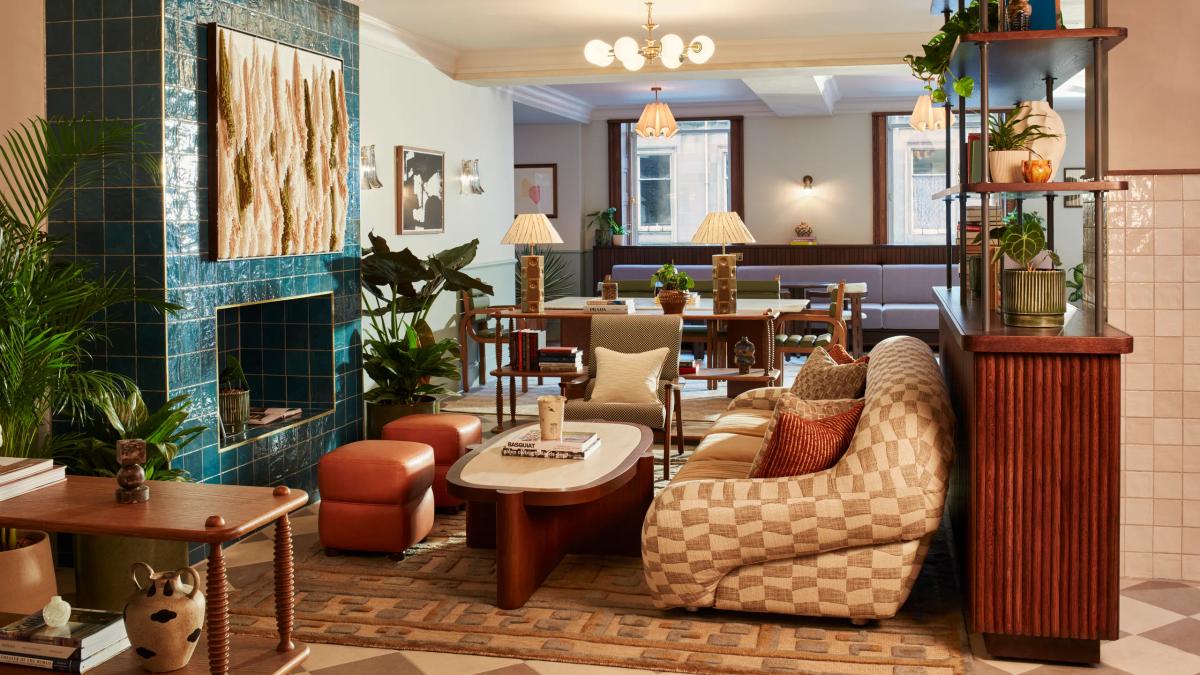
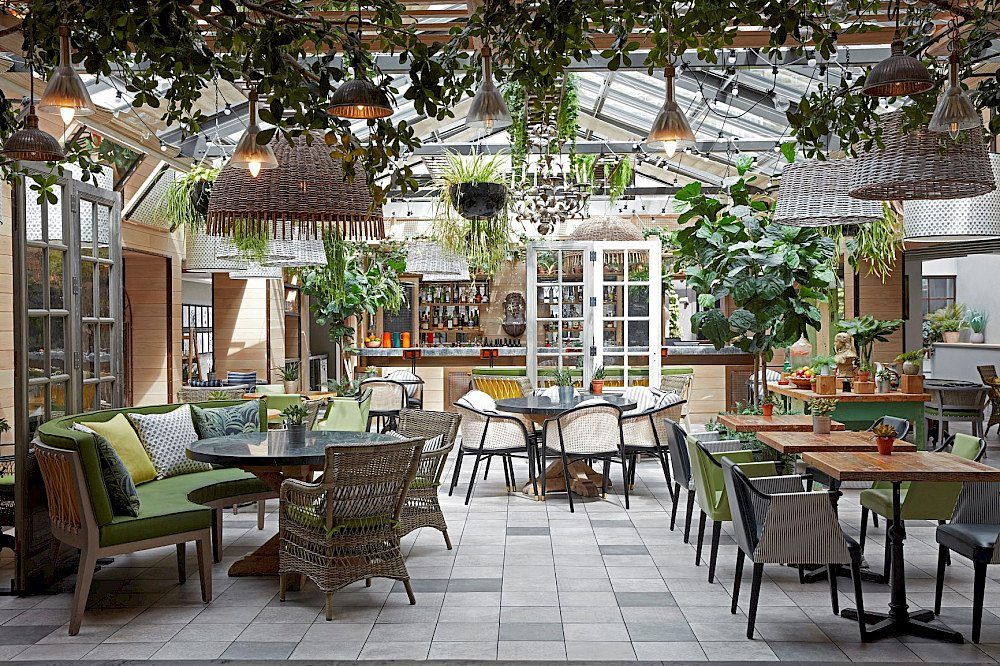
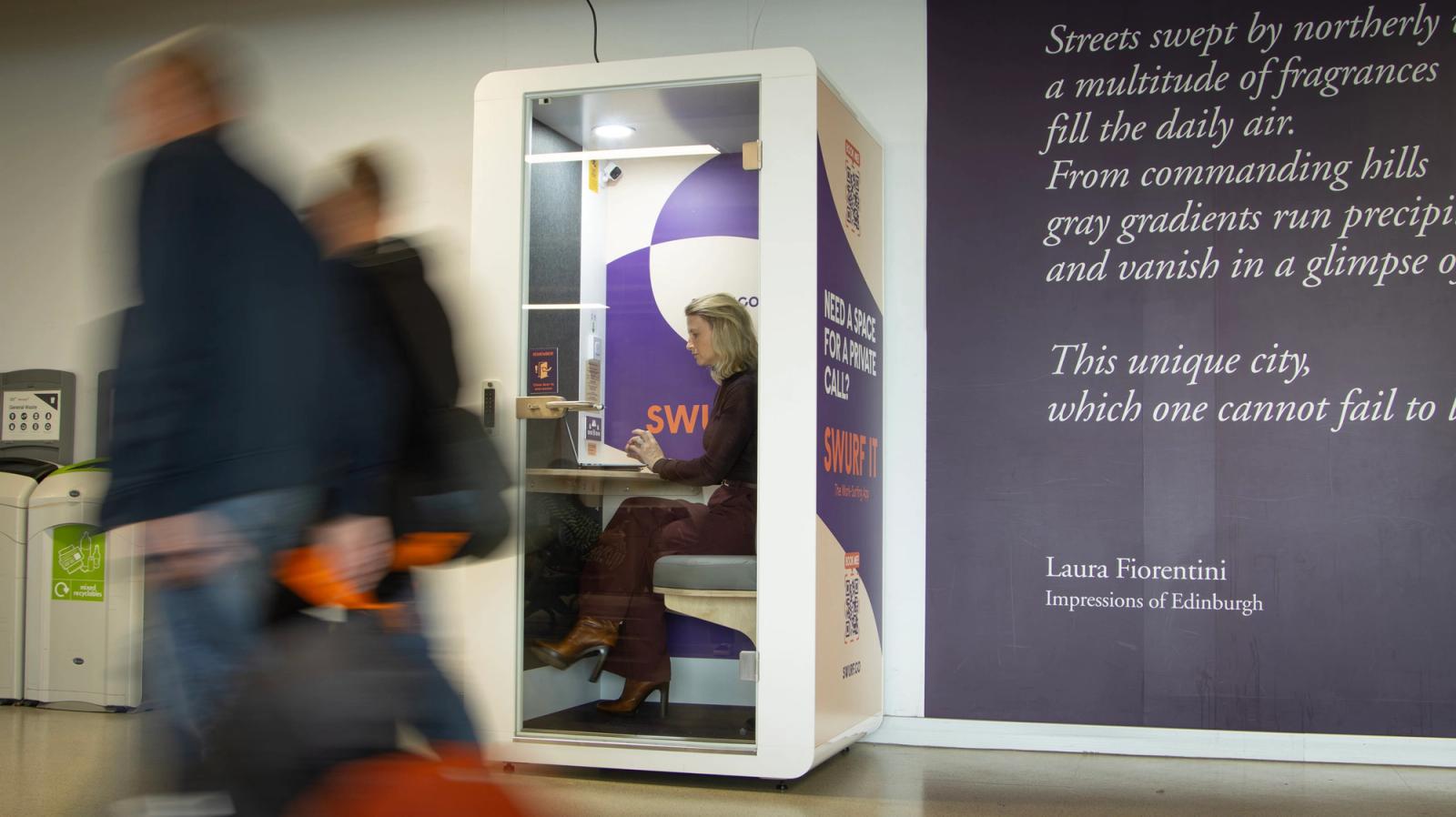
Swurf connects hospitality spaces with people who need somewhere to work: sit down and work, guilt free, with a sense of permission, use the wifi, buy a coffee, maybe at your local restaurant because it is quiet before dinner time. The proposition works both ways: the guest gets a desk without the ceremony of a coworking membership, and the venue gets trade in the hours the room would otherwise sit empty. The place looks busier, it's safer, and it makes some revenue. The company has since extended the same idea into pods in airports and hotels: well provisioned, well insulated, well connected booths with big screens, where you can take a call as if you were in an office. They're fantastic.
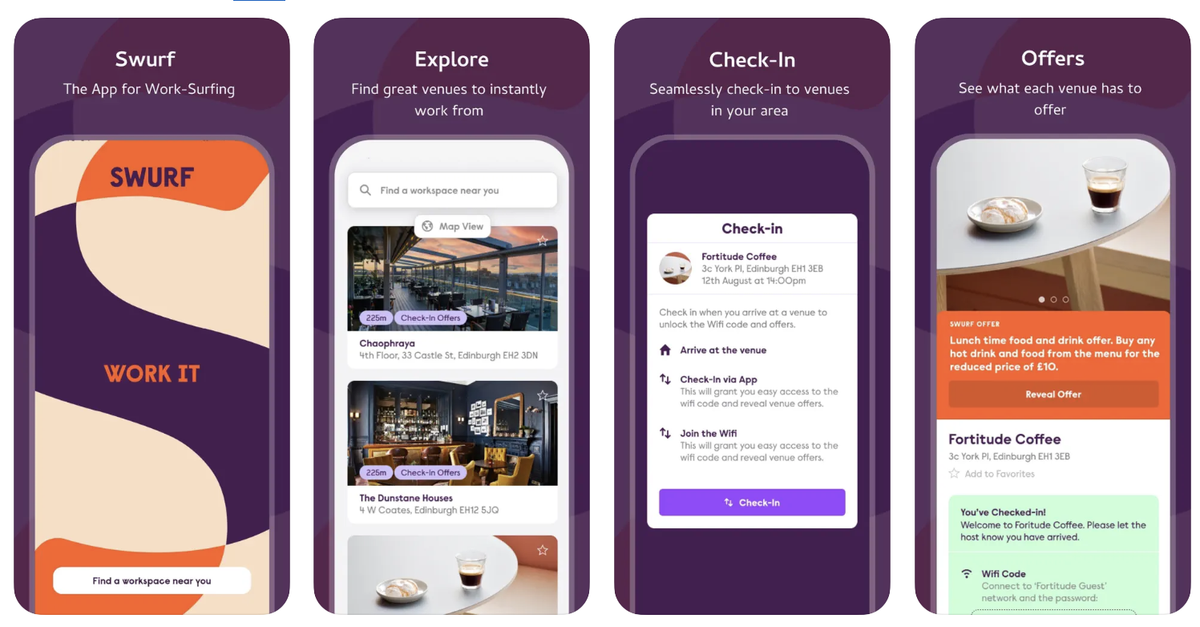
Dan Rogers, QikServe's founder, sat on Swurf's board and brought me in off the back of our work together there. They weren't getting enough engagement in the app or online, and the brief was never a rebuild. The app had been built rapidly and lightly, and it worked, but it was built to complete a checklist rather than to drive commercial outcomes: screens that let a guest do things, with no opinion about which of those things make the venue money.
So the early work is about putting commercial intent back into the product. I audited the app's UX and handed the assessment over for their team to implement, developed concepts for the booths as the product moves into airports and hotels, and joined the strategic conversations about what Swurf should become now that it is more than an app. All of it is early phase, and nothing has shipped yet.
Functional was finished before I arrived. The job is making it commercial.