Attract Screens
- Our customer decks described attract screens as “a powerful, multi-purpose tool that mustn’t be overlooked when considering kiosk”.
- One template behind every customer’s attract screen, portrait or horizontal.
- Attract screen strategy was part of a professional services practice that launched formally with El Pollo Loco.
- Brand consultation for customers with nobody in-house to do the work.


- Client
- QikServe and Access Group
The attract screen is the only moment a kiosk gets to sell itself. We built a template system for it on portrait and horizontal screens, so brand teams could produce their own without breaking the order flow underneath.
- Our customer decks described attract screens as “a powerful, multi-purpose tool that mustn’t be overlooked when considering kiosk”.
- One template behind every customer’s attract screen, portrait or horizontal.
- Attract screen strategy was part of a professional services practice that launched formally with El Pollo Loco.
- Brand consultation for customers with nobody in-house to do the work.
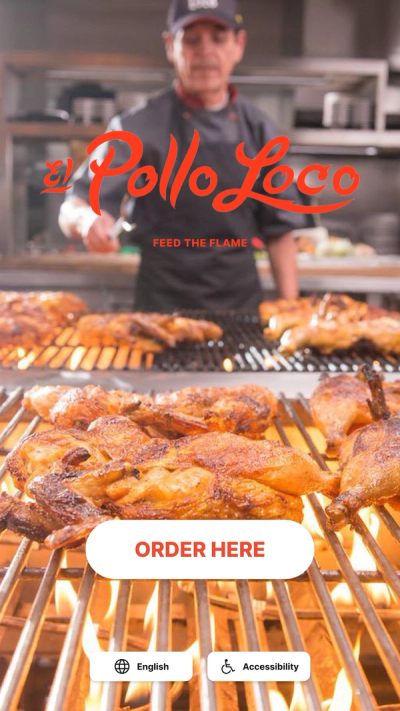


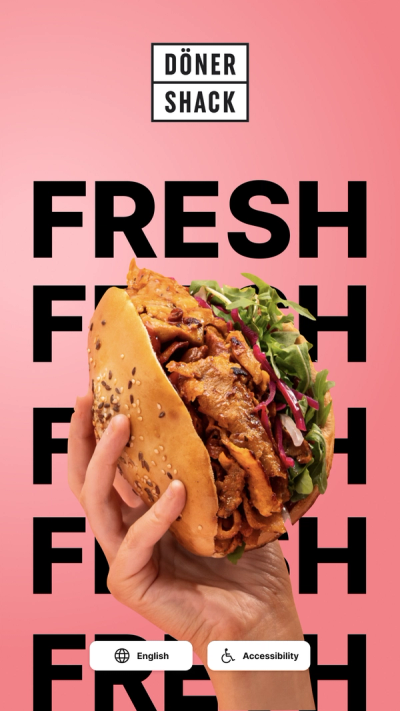
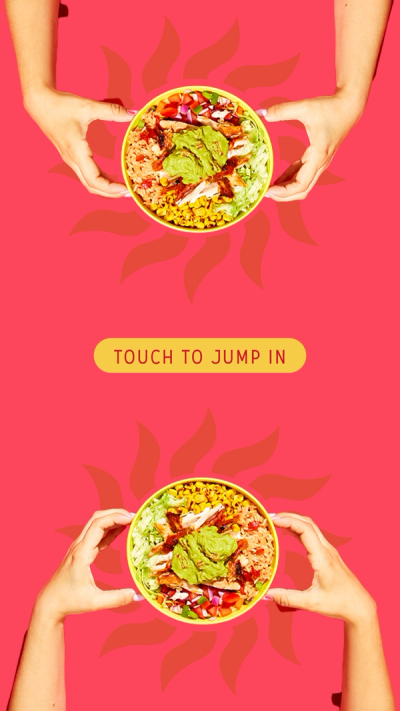
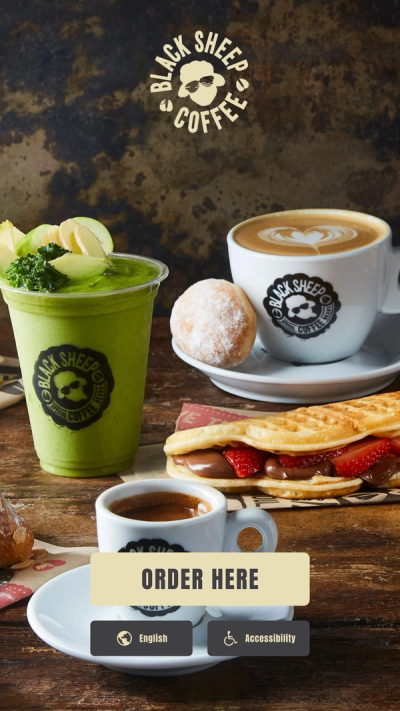


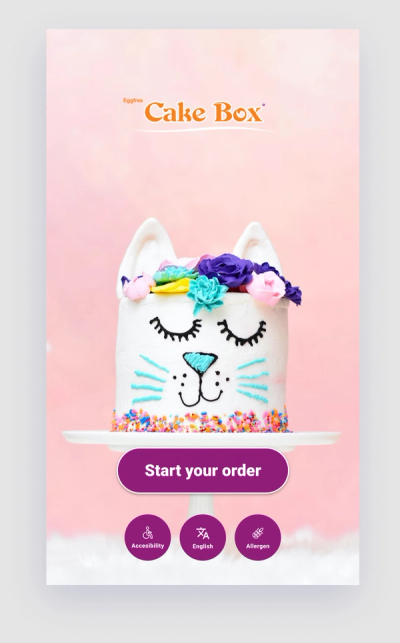

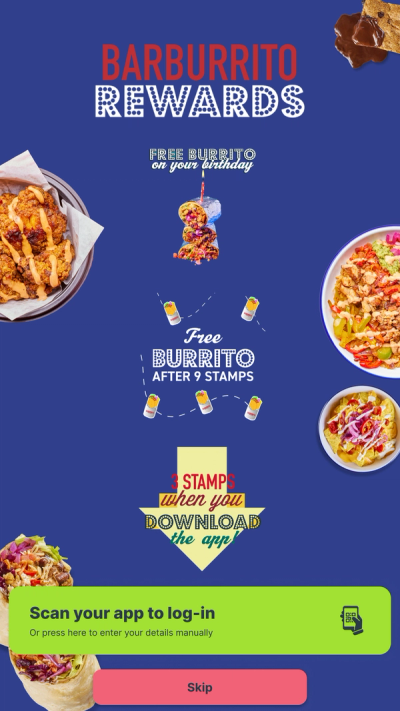


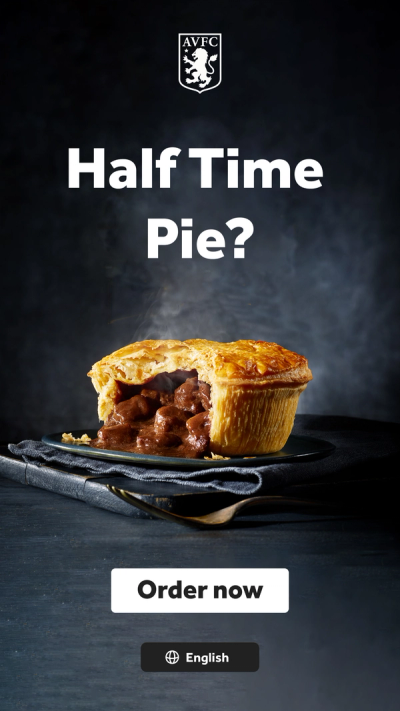

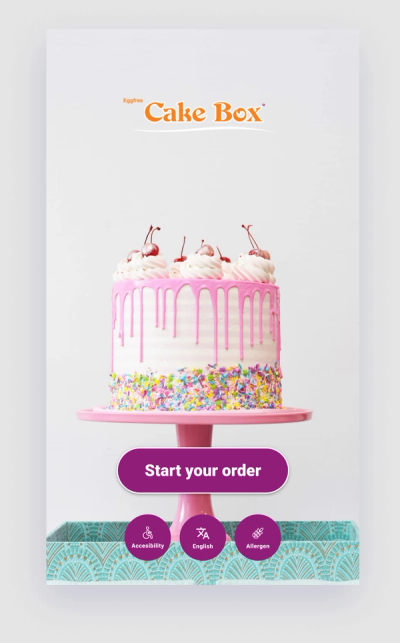
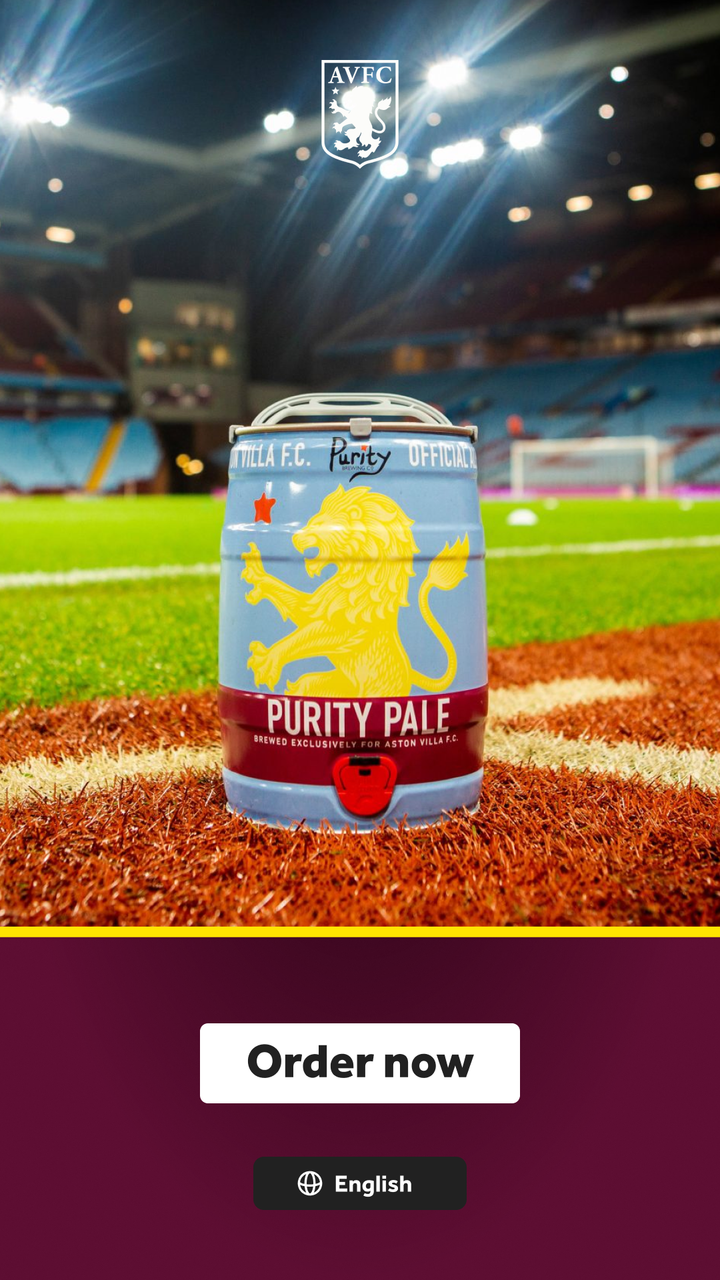
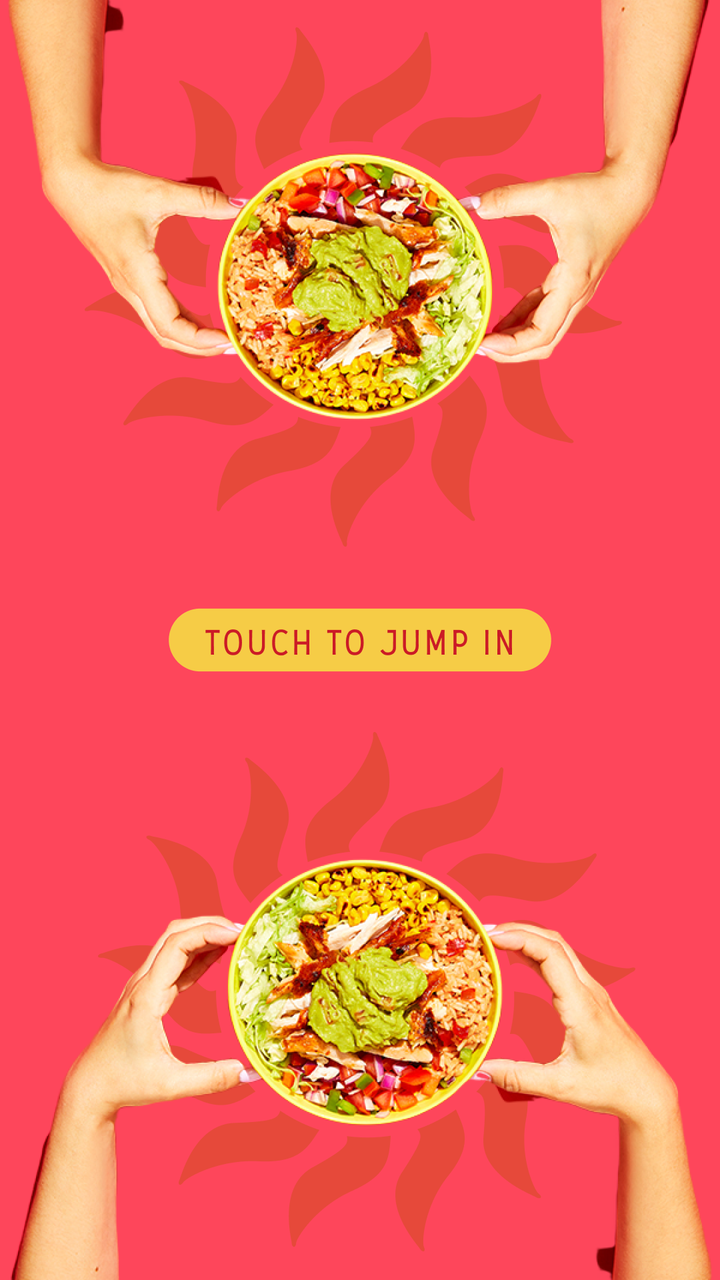
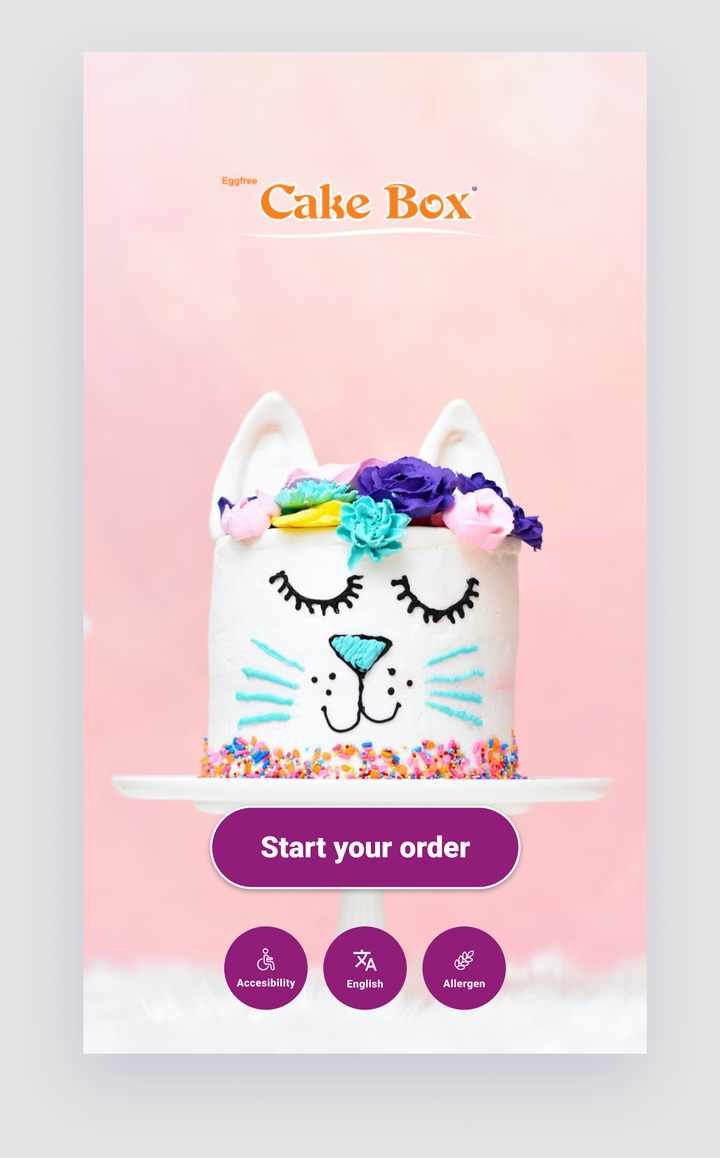
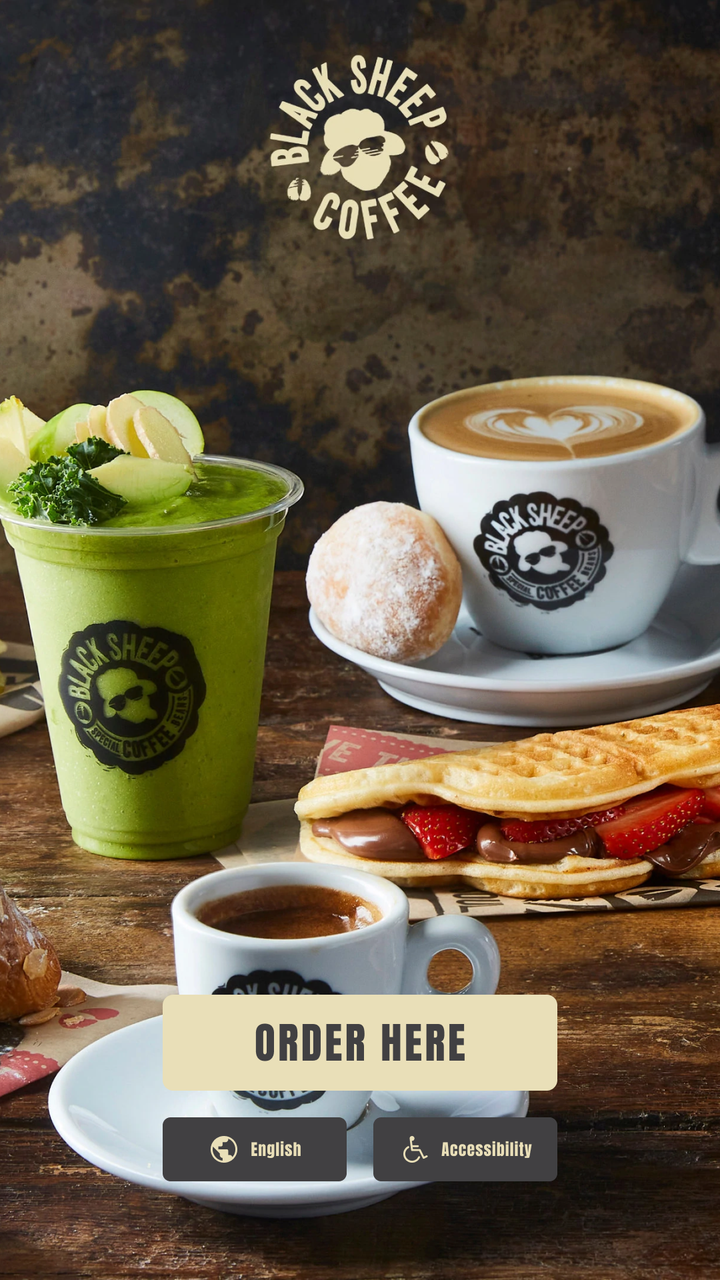
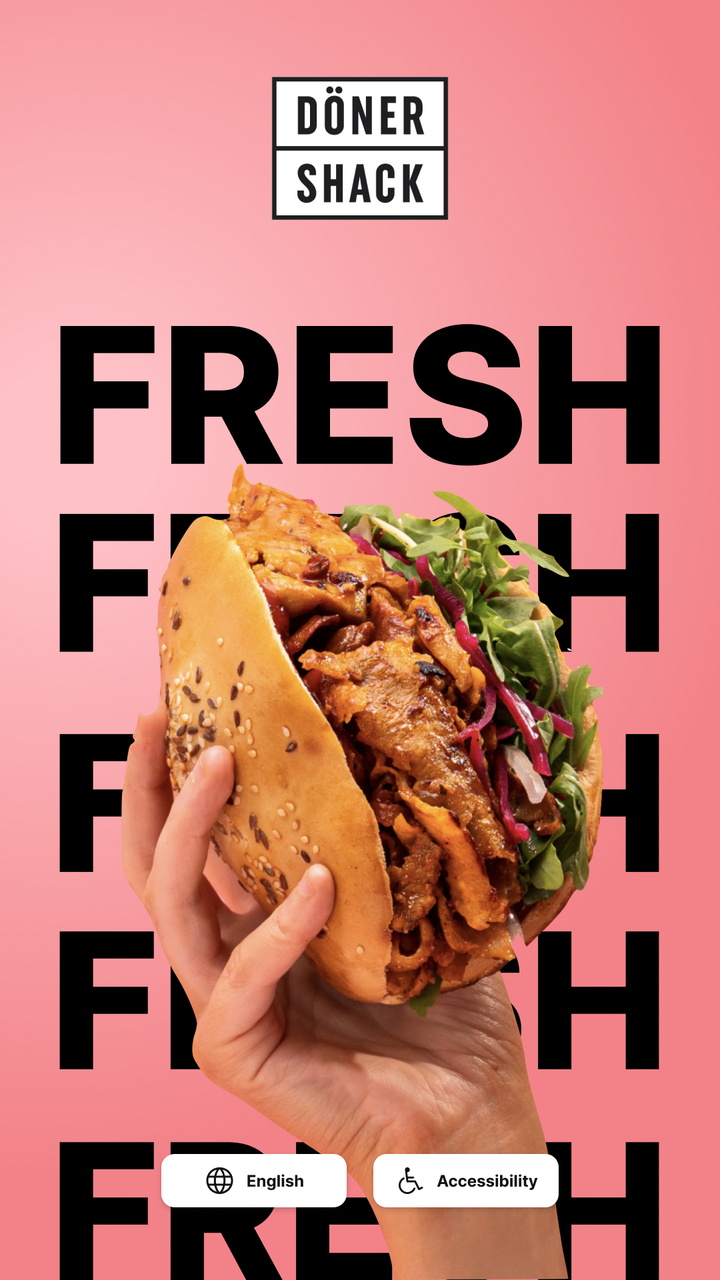
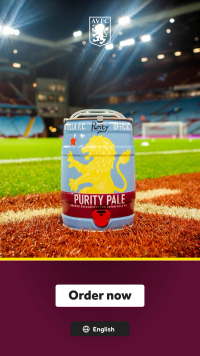
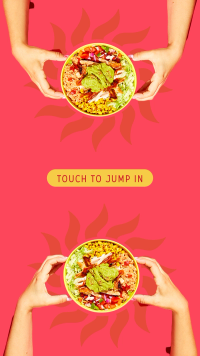
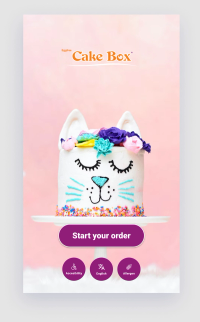
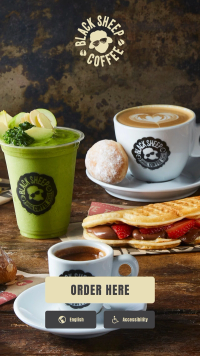
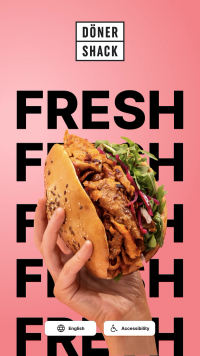
These are attract screens we made for customers across coffee, chicken, doughnuts, cake and football.
Selling the kiosk
When nobody's ordering, a kiosk plays its attract screen on a loop of rotating images and videos. It's the only moment the kiosk gets to sell itself. For a first-time user, the difference between a screen that invites them and one that intimidates them shows up in adoption. So the attract screen earned its own attention.
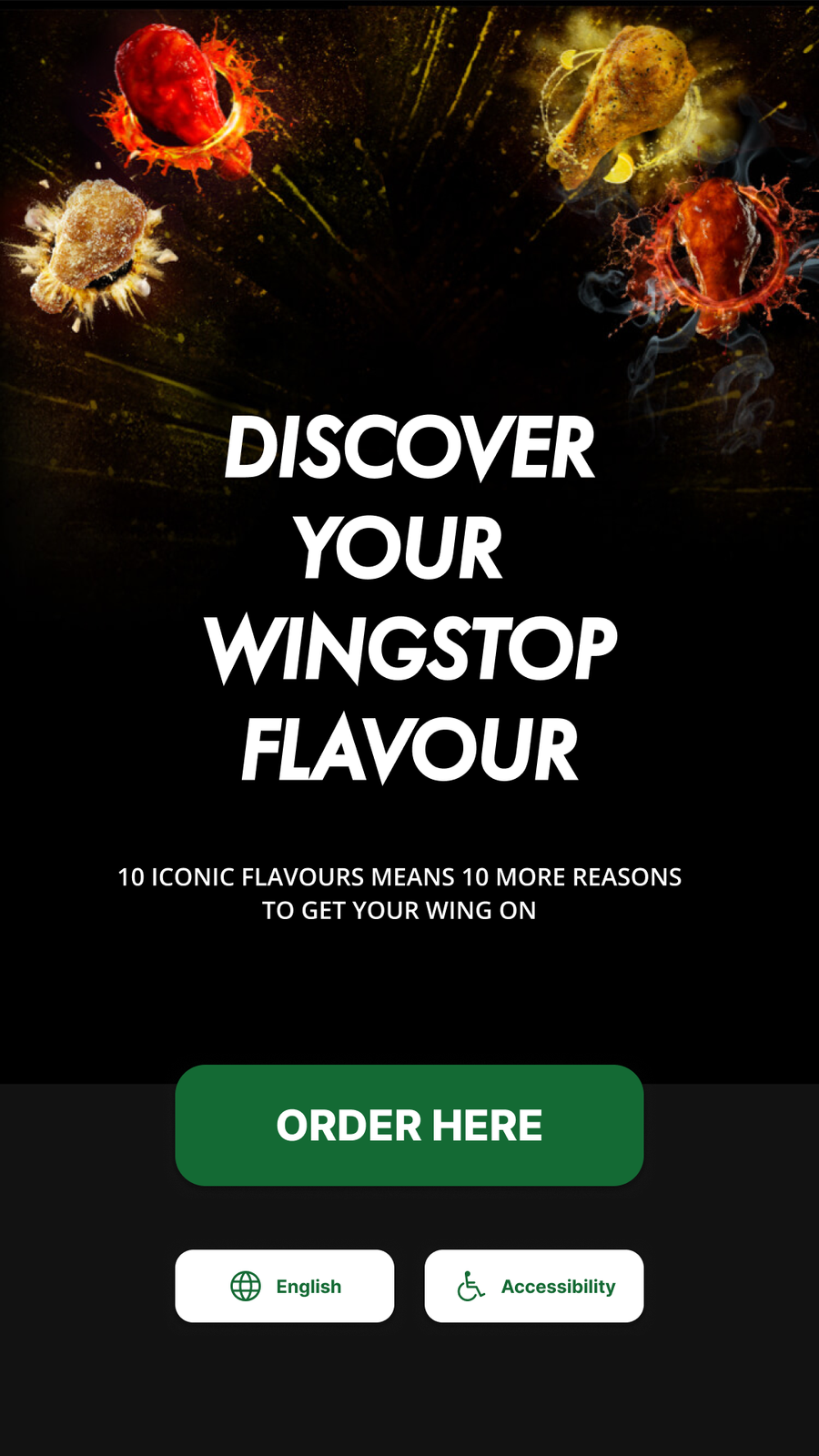
We made the case for it in our customer decks, describing it as "a powerful, multi-purpose tool that mustn't be overlooked when considering kiosk". The same slide said "in a busy environment, you may only have a fraction of a second to capture a guest's attention". So the slide's advice was that these screens "should display high-impact visuals with minimal text".
A template the brands could own
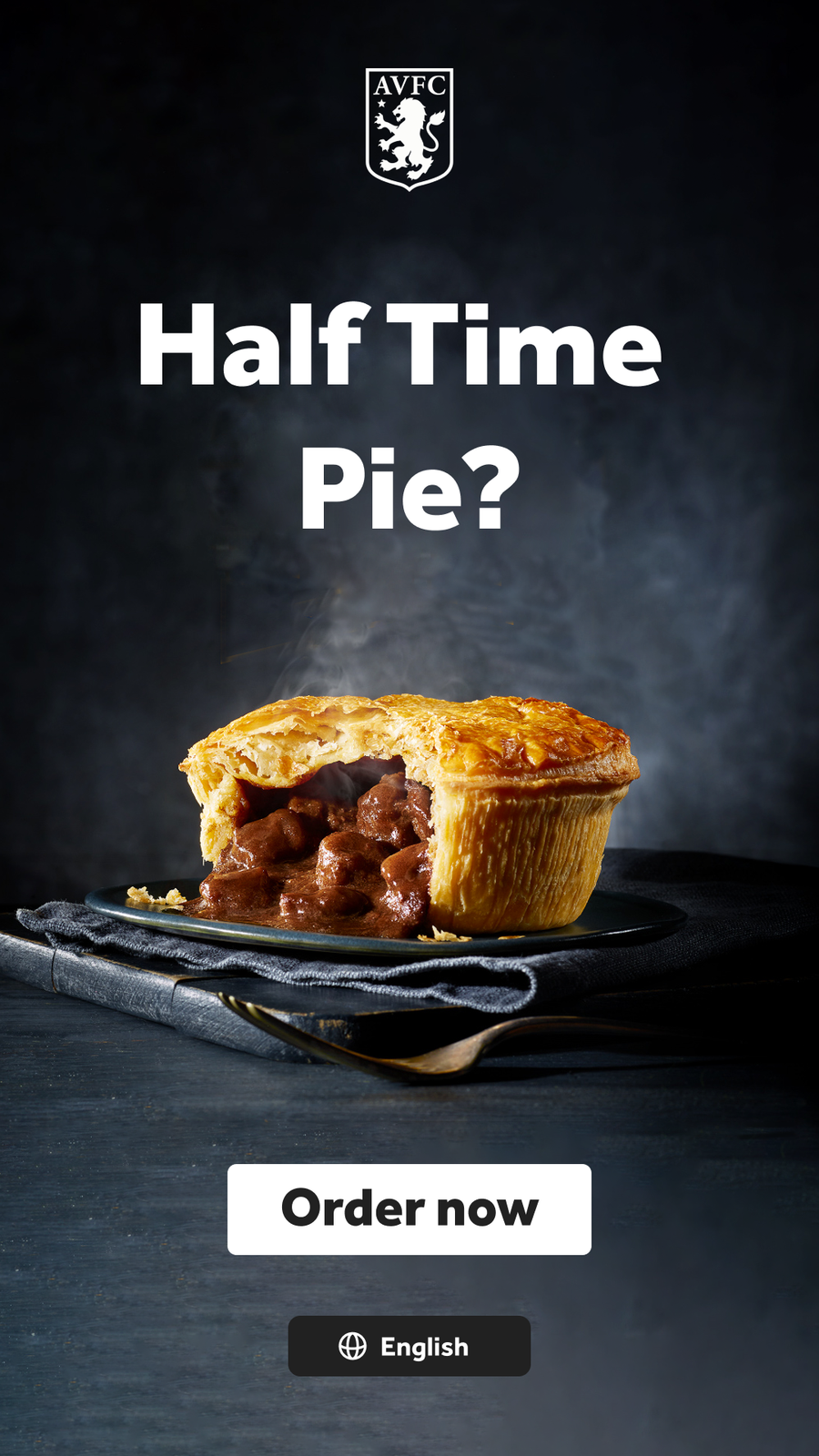
Every customer ran on the same configurable template, from El Pollo Loco to a football club, and customer success and engineering had tools to set up a brand without a designer or a developer in the room. The attract screen had its own template. It worked on portrait and horizontal kiosks alike.


Most of our customers had nobody who could do this work, though. For them the kiosk was also the front door to a professional services practice, which launched formally with El Pollo Loco, and through it we turned guidelines into working systems and advised operators on menu structure and attract screen strategy. I'd always start with the brand. Understanding it front to back meant its digital experience, its social media presence, its store designs, everything. Samantha Backhouse and I took each brand through it one at a time.
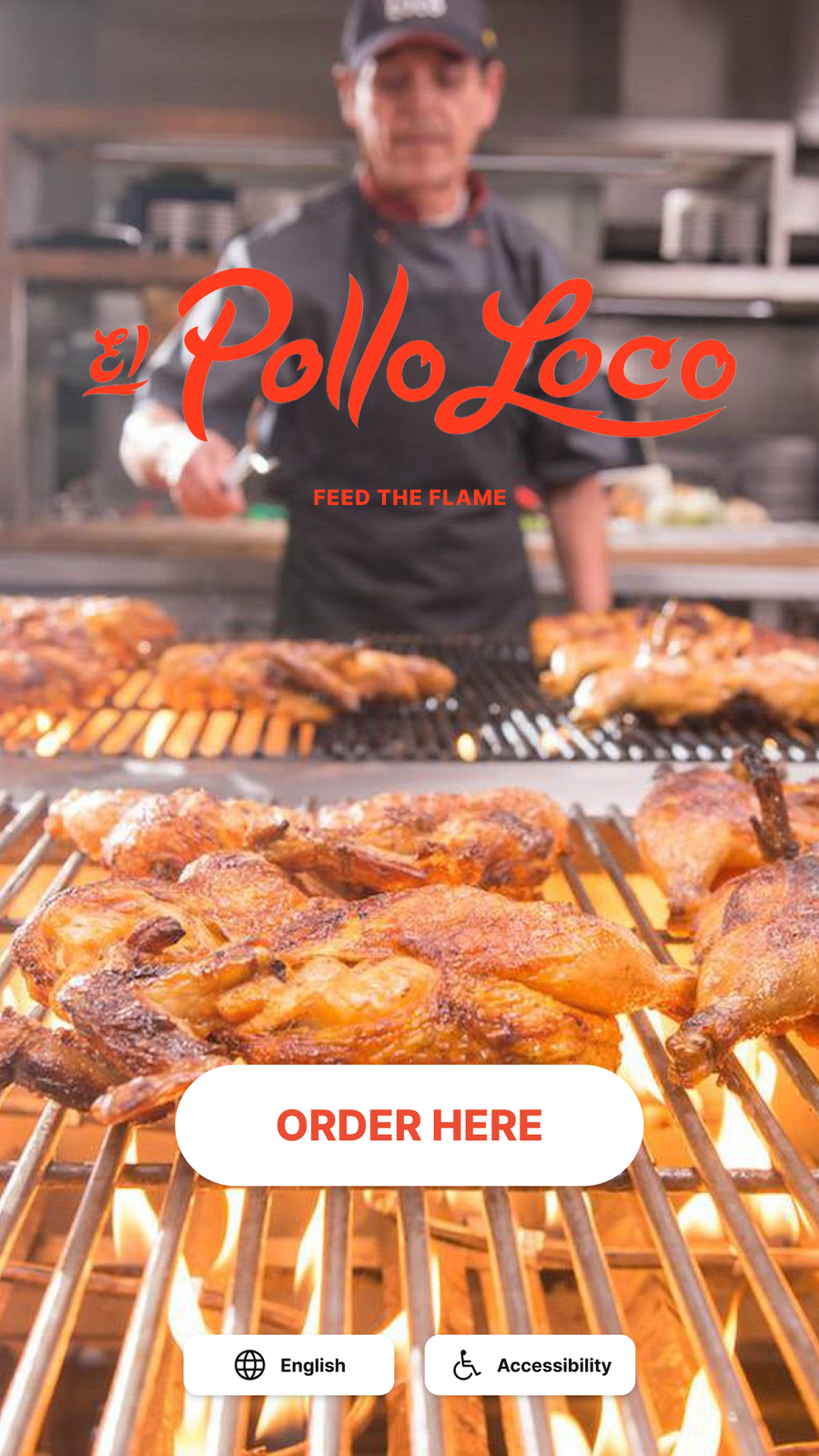
The wall above is the work we made, from coffee shops and a cake shop through to a football club selling half-time pies. Ideally a brand is the same all the way through, and the kiosk is part of that too.
I try and make sure that a company’s brand translates across digital.